
Intrusion Detection
Protect the Facility When No One Is Supposed to Be There
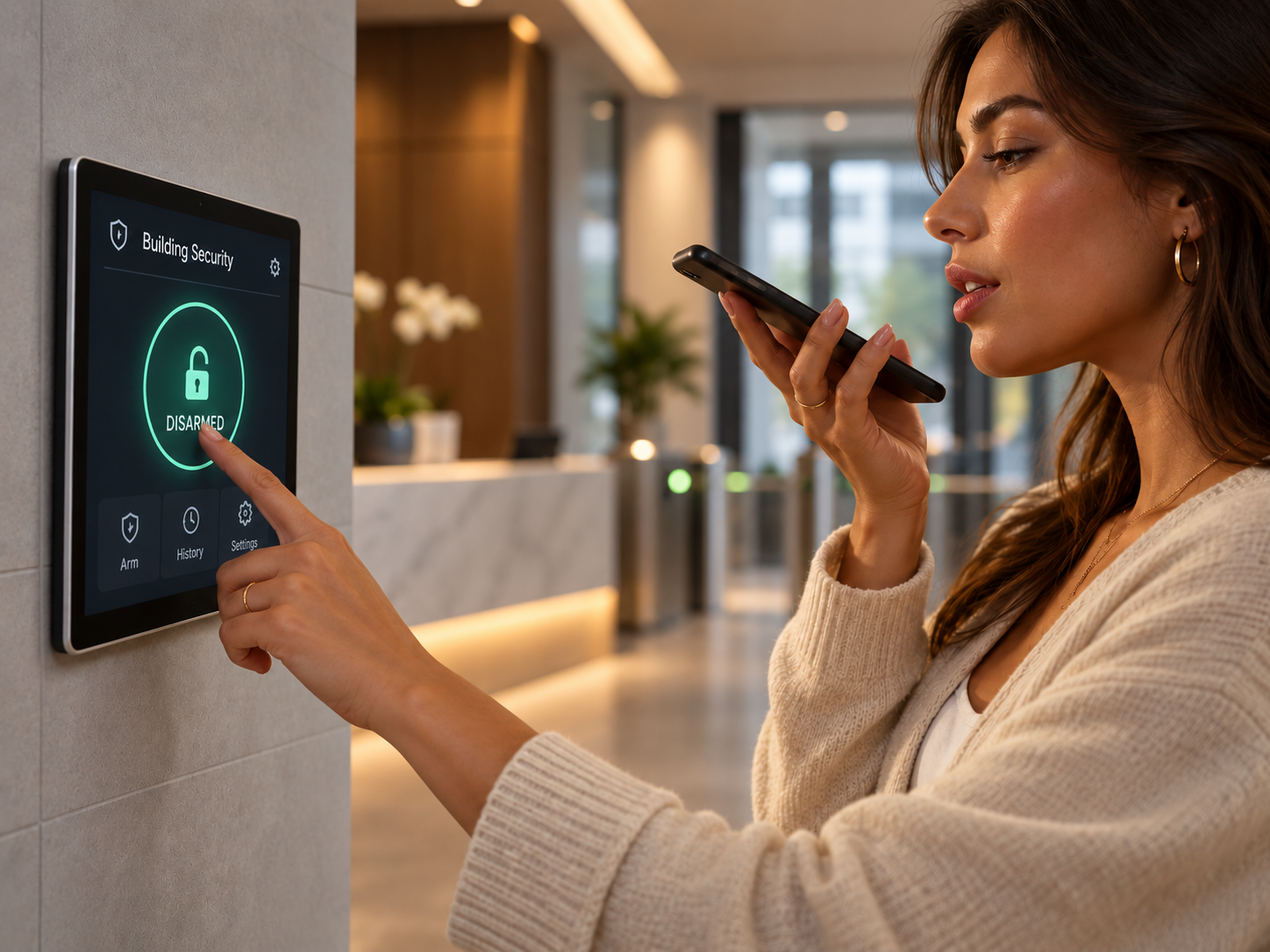
Security requirements change after the business closes.
Doors that remain unlocked during operating hours become perimeter protection. Restricted areas may need additional monitoring. Warehouses, offices, production spaces, storage areas, and exterior openings all become part of the after-hours security strategy. Veltek designs commercial intrusion systems around those realities.
After-Hours Protection
More Than Door Contacts
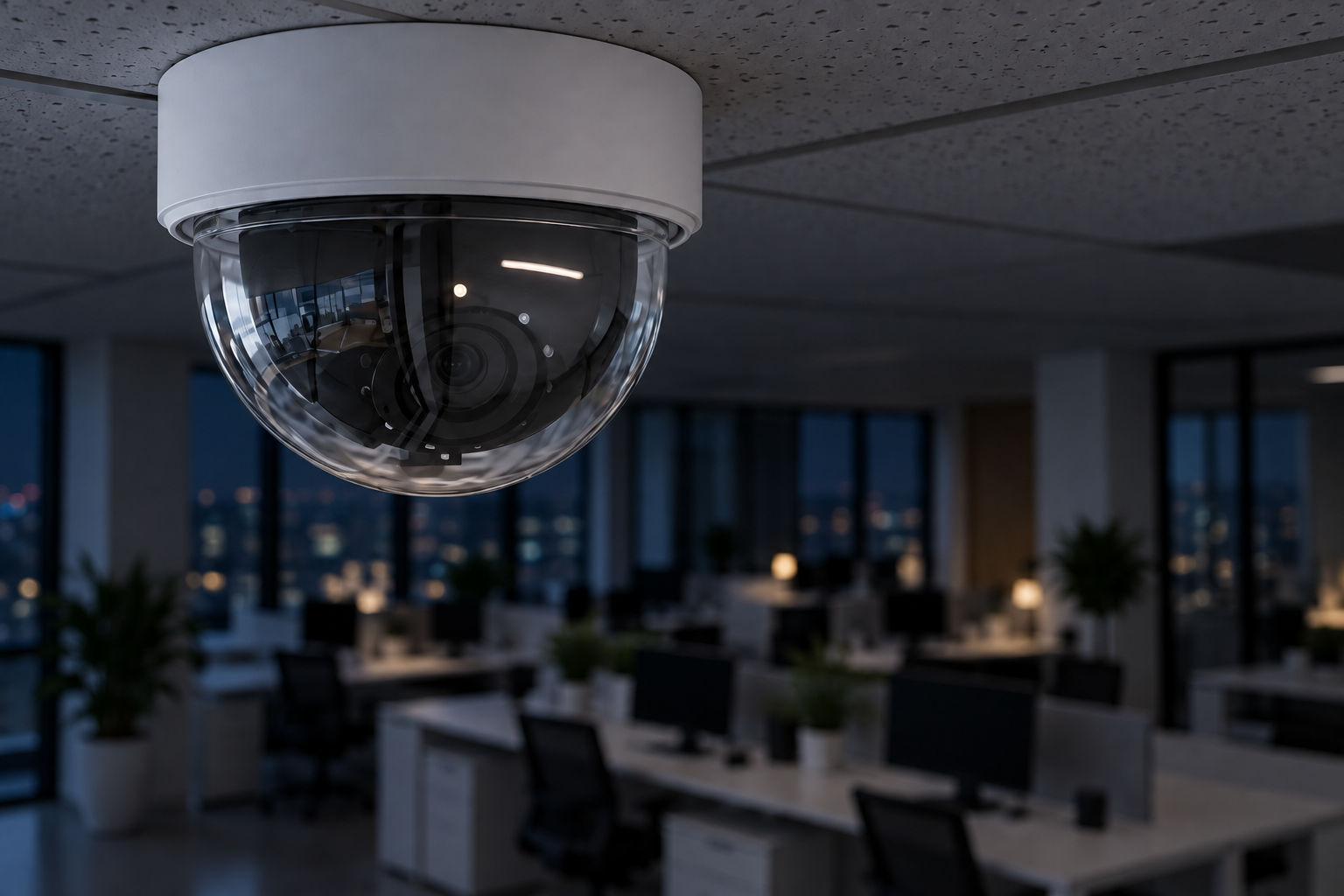
An effective intrusion system protects more than a single perimeter opening. The right combination depends on how the facility operates, what must be protected, and what happens after hours.
Layers of Detection
Detection Across the Facility
An effective intrusion system may involve different types of protection across the same property. Veltek selects and places devices around the actual risks and operating conditions of the facility.
Perimeter Doors
Monitor exterior openings that become part of the building perimeter after hours.
Interior Areas
Add detection within spaces where movement should not occur while the facility is unattended.
Motion Detection
Provide another layer of protection beyond individual door and window contacts.
Glass Protection
Address vulnerable glazed openings where appropriate for the environment.
Restricted Rooms
Protect areas containing sensitive equipment, inventory, records, or operations.
Overhead Doors
Include loading, warehouse, and service openings in the after-hours security strategy.
Specialty Detection
Use specialized devices where ordinary contacts or motion detection are not enough.
Duress Devices
Support locations where employees may need a discreet way to initiate an alarm.
Alarm Communication
Provide the communication path needed to deliver alarm events to the appropriate destination.
Built Around Daily Use
Design Around the People Using the System
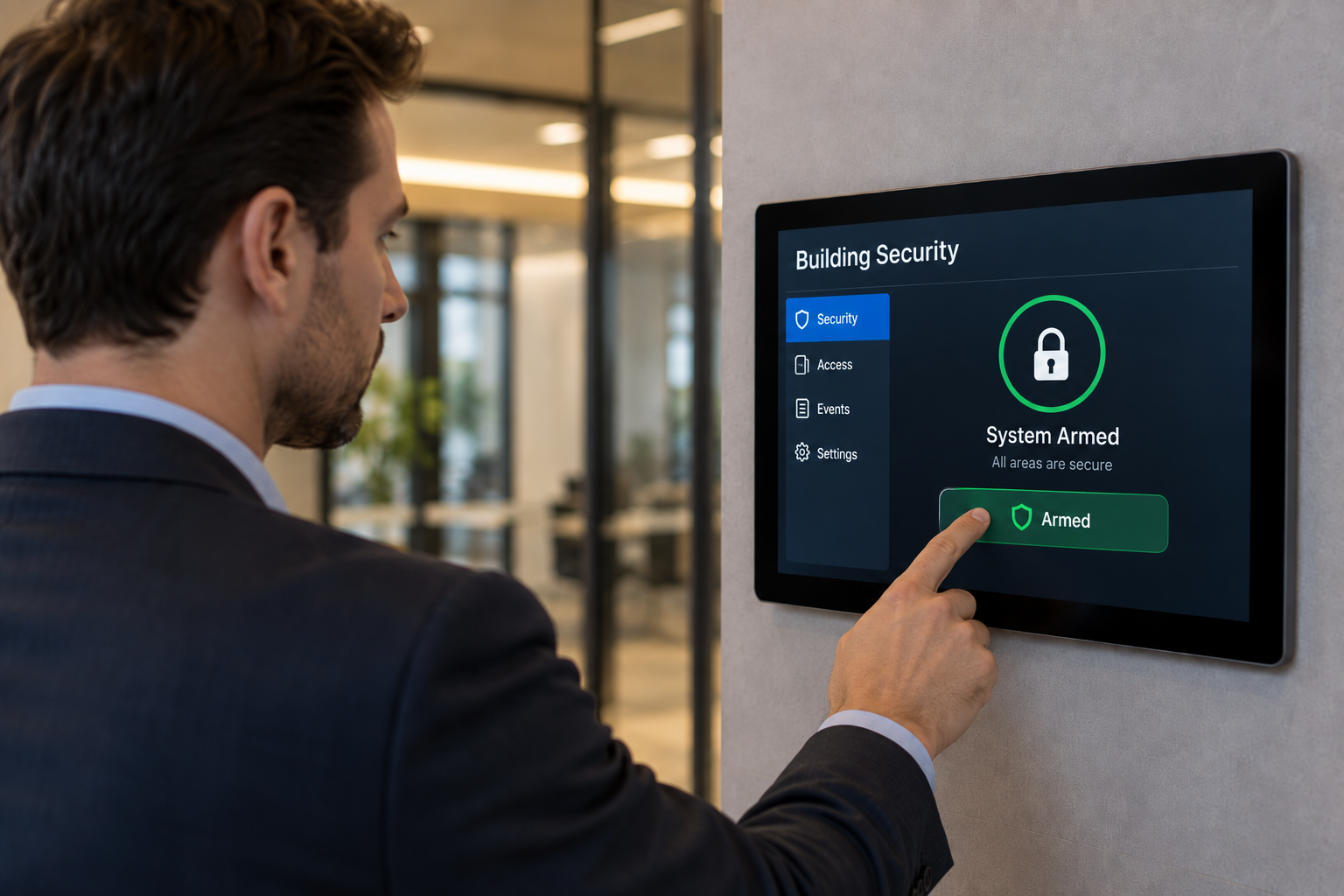
A security system that is difficult to arm or constantly generates unnecessary alarms eventually becomes a system people work around.
Connected Security
Integrate When It Makes Sense
Intrusion detection can also work alongside other security technologies. That can give customers better context when an alarm occurs.
Existing Alarm System Giving You Trouble?
Veltek can evaluate existing commercial intrusion systems, troubleshoot recurring issues, add devices, upgrade communications, and determine whether older equipment can remain in service.